
Origin of Henna & Jagua + Uses
Origin of Henna & Uses
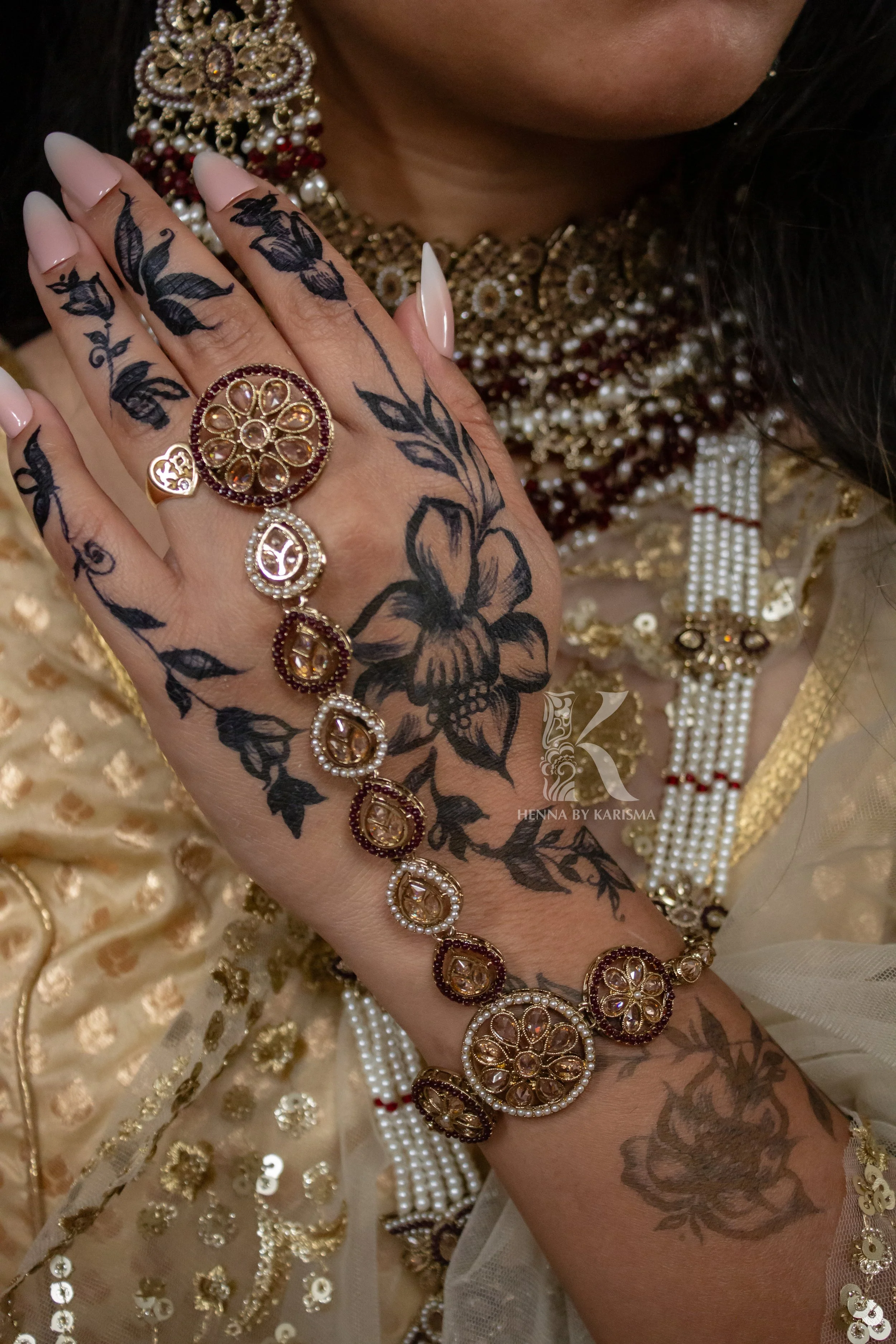
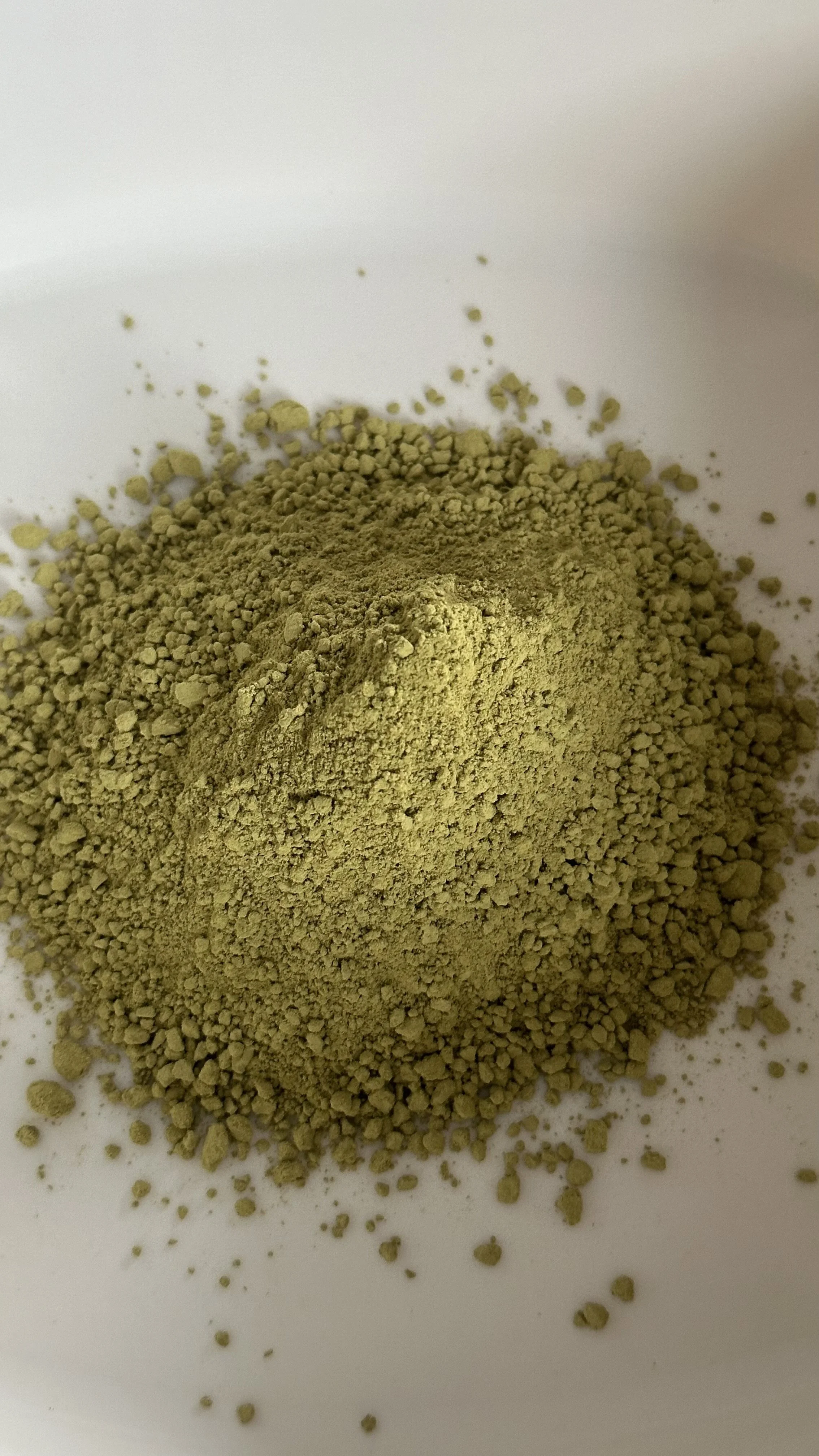
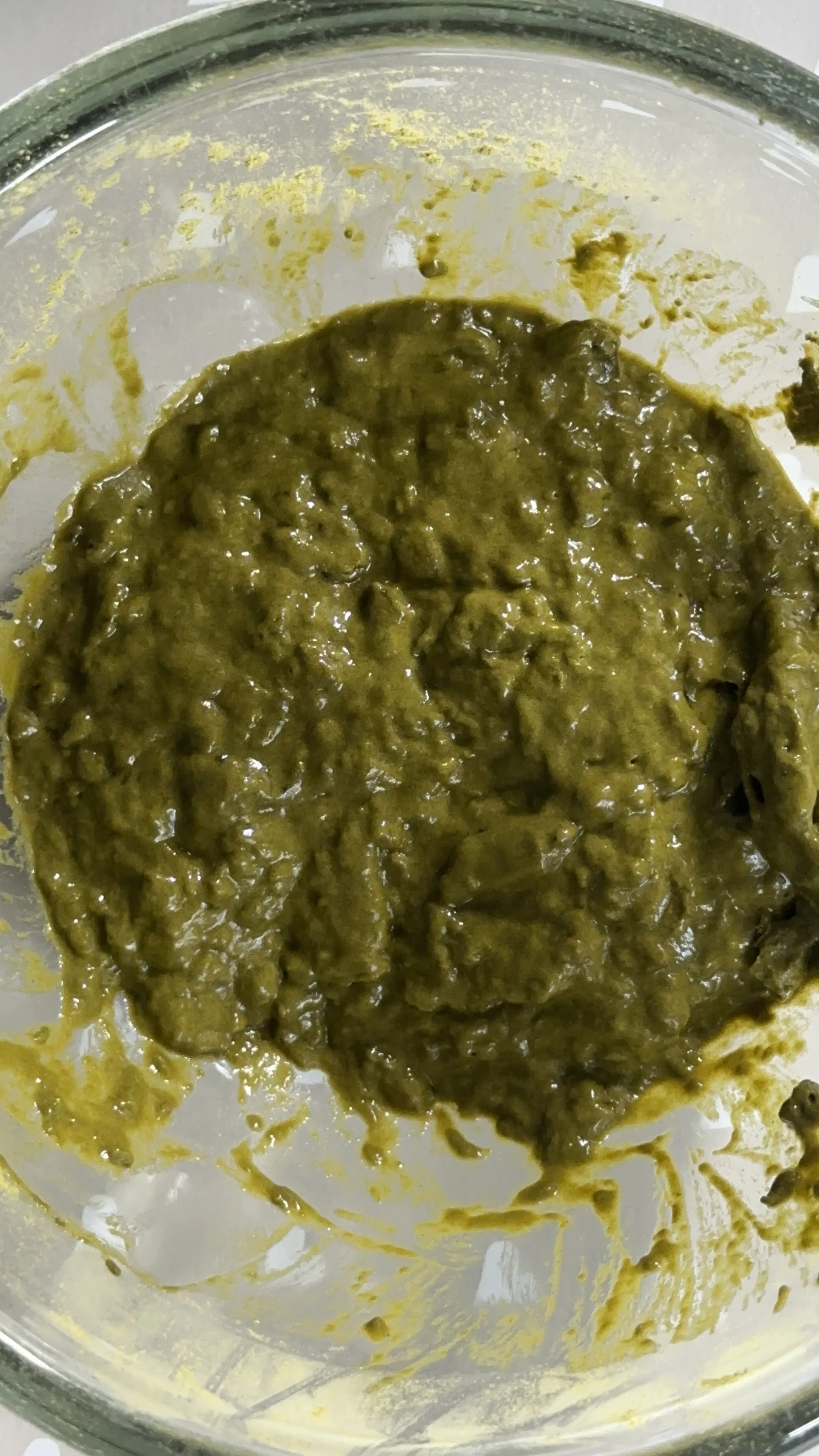
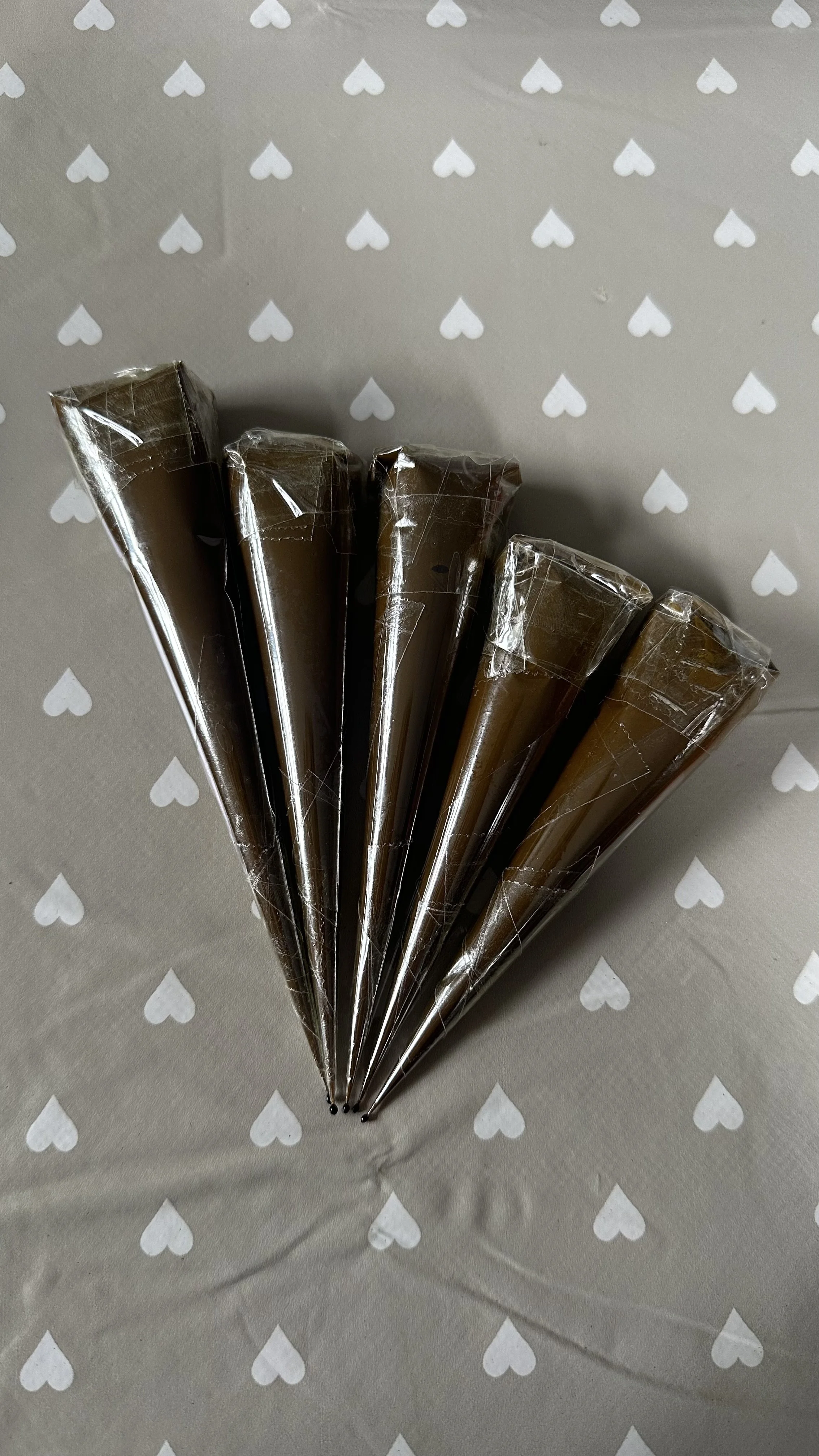
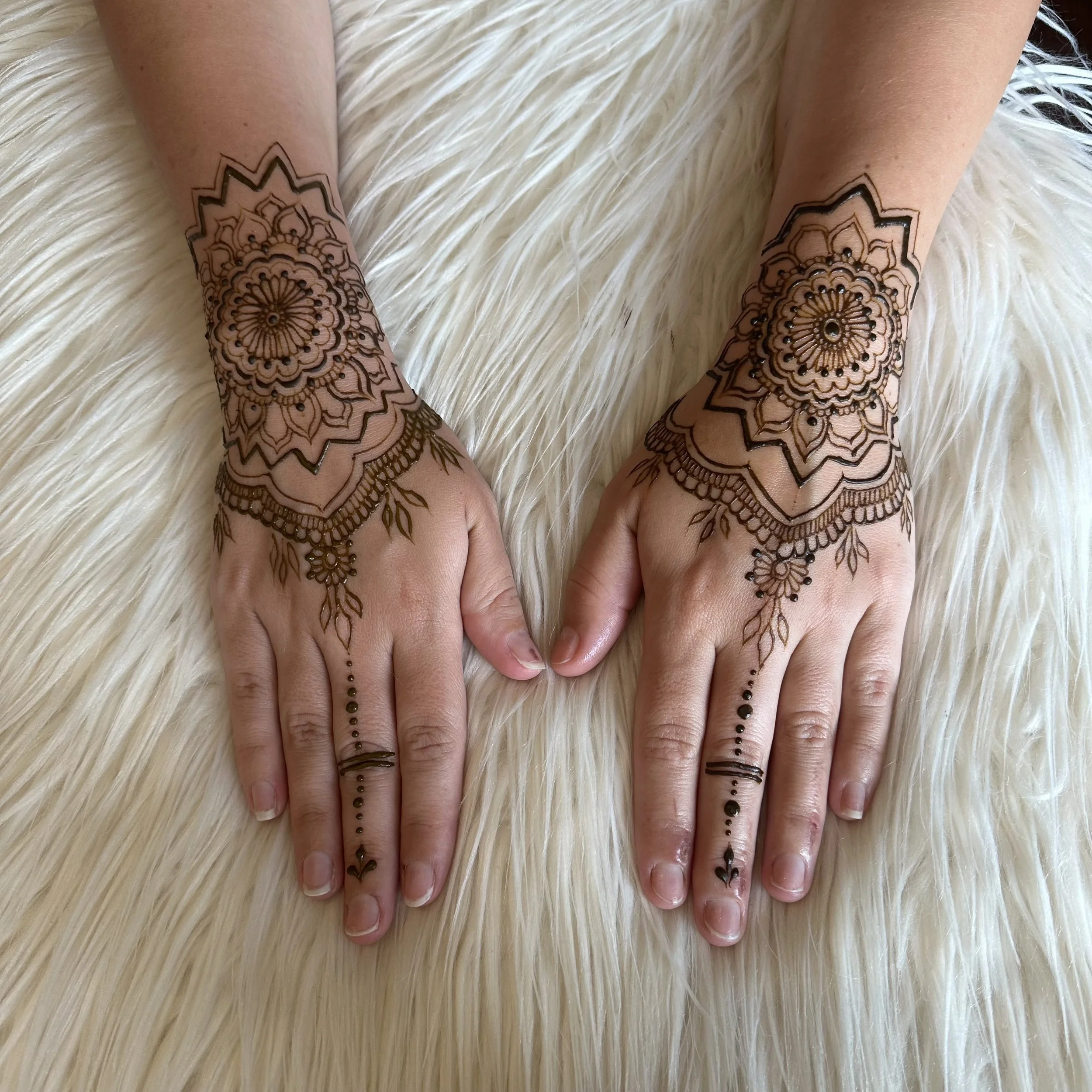
Henna, also known as Lawsonia inermis, is a flowering plant native to North Africa, the Middle East, and South Asia. The word henna is originally derived from the Arabic word "ḥinnāʼ" (الحناء) and is commonly known as mehndi in South Asian cultures. For thousands of years, its leaves have been dried, crushed, and turned into a natural paste used for body art, hair dyeing, and even medicinal purposes.
A Brief History of Henna
Henna has a rich cultural history, with its earliest recorded use dating back over 5,000 years. It was widely used in ancient Egypt — even Queen Cleopatra is said to have used henna to adorn her hands and nails. From North Africa to India, it became a symbol of celebration, protection, and beauty.
Cultural & Ceremonial Uses
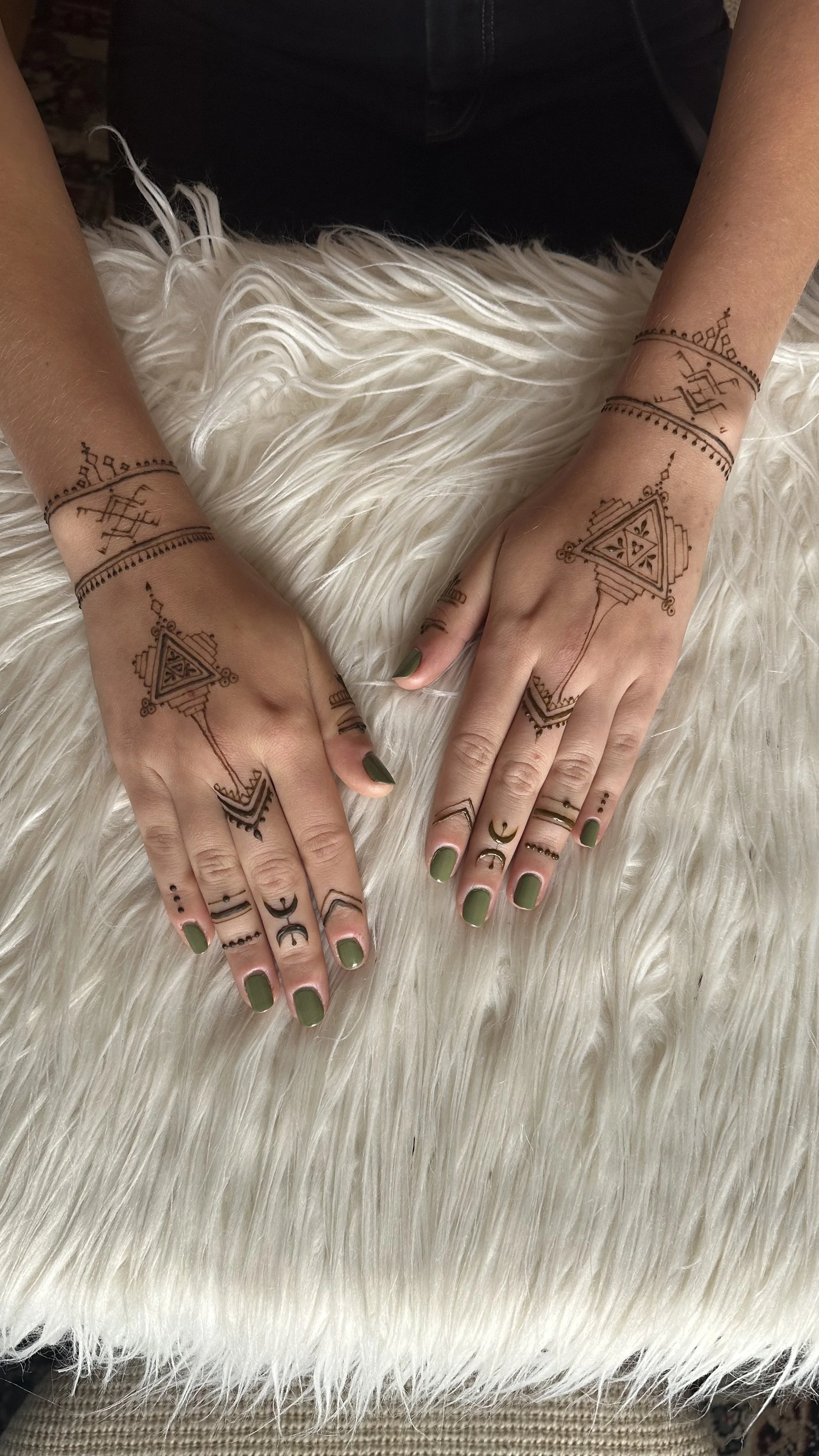
Across cultures, henna is commonly used in weddings, religious festivals, and rites of passage. In Indian, Pakistani, and Arab traditions, intricate bridal henna designs are applied before the wedding day to symbolize joy, love, and spiritual awakening. In North African cultures, henna is often applied during important life events for blessings and protection.
Everyday and Modern Uses
Today, henna continues to be used not just for traditions, but also for self-expression and natural beauty care. It's popular for:
Temporary body art (mehndi)
Natural hair dye
Cooling the skin in hot climates
Herbal healing (traditionally used for wounds, nails, and skin)
Whether used for ritual, art, or wellness, henna remains a deeply rooted part of many cultures — treasured for both its beauty and meaning.

Medicinal & Healing Benefits of Henna
Henna has long been valued in traditional medicine for its cooling, antimicrobial, and anti-inflammatory properties. Some of its common medicinal uses include:
Soothing headaches and fevers by applying henna paste to the scalp
Treating minor burns and wounds due to its natural antibacterial qualities
Strengthening nails and reducing fungal infections
Easing joint pain when applied topically as a paste
While these uses are traditional and passed down through generations, henna continues to be cherished in many cultures for its ability to bring both comfort and care to the body.
Origin of Jagua & Its Traditional Uses
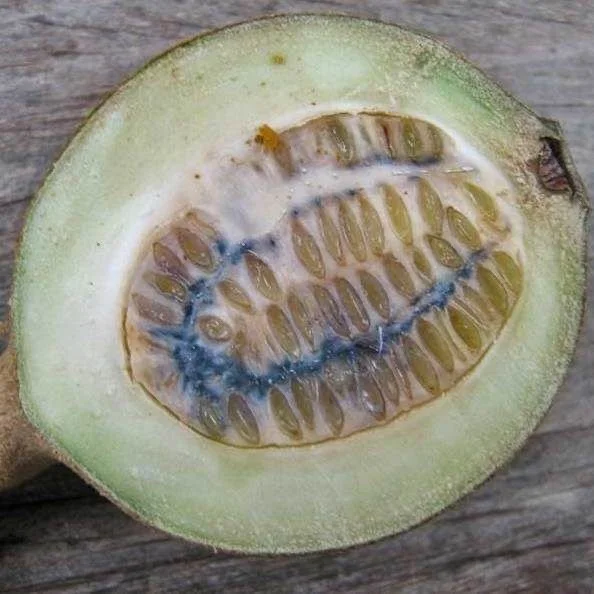
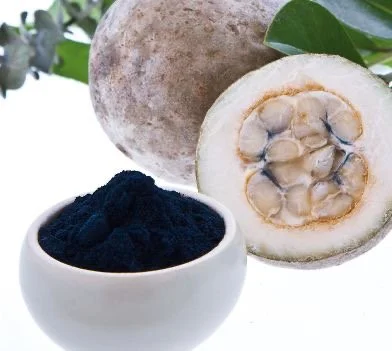
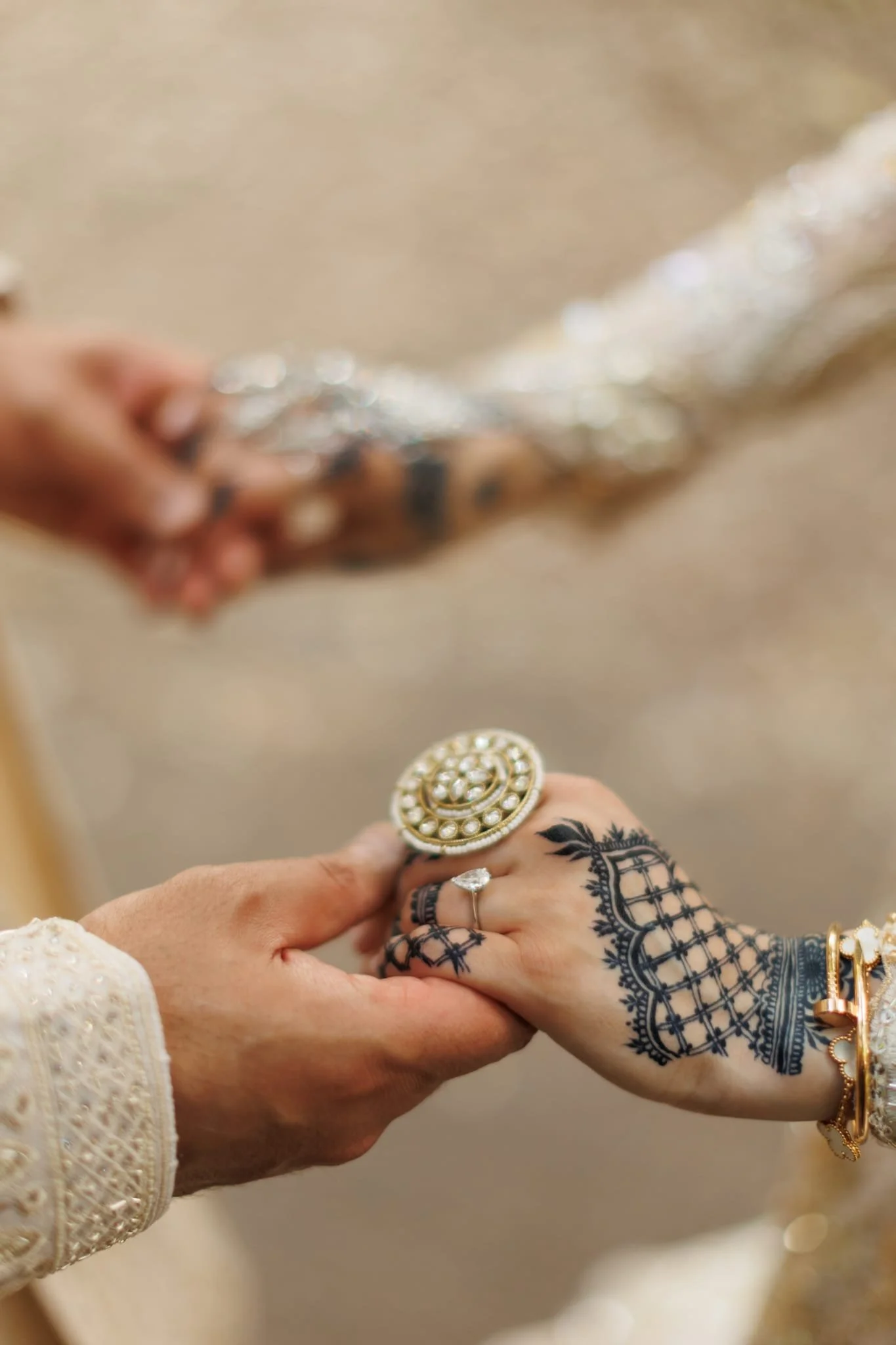
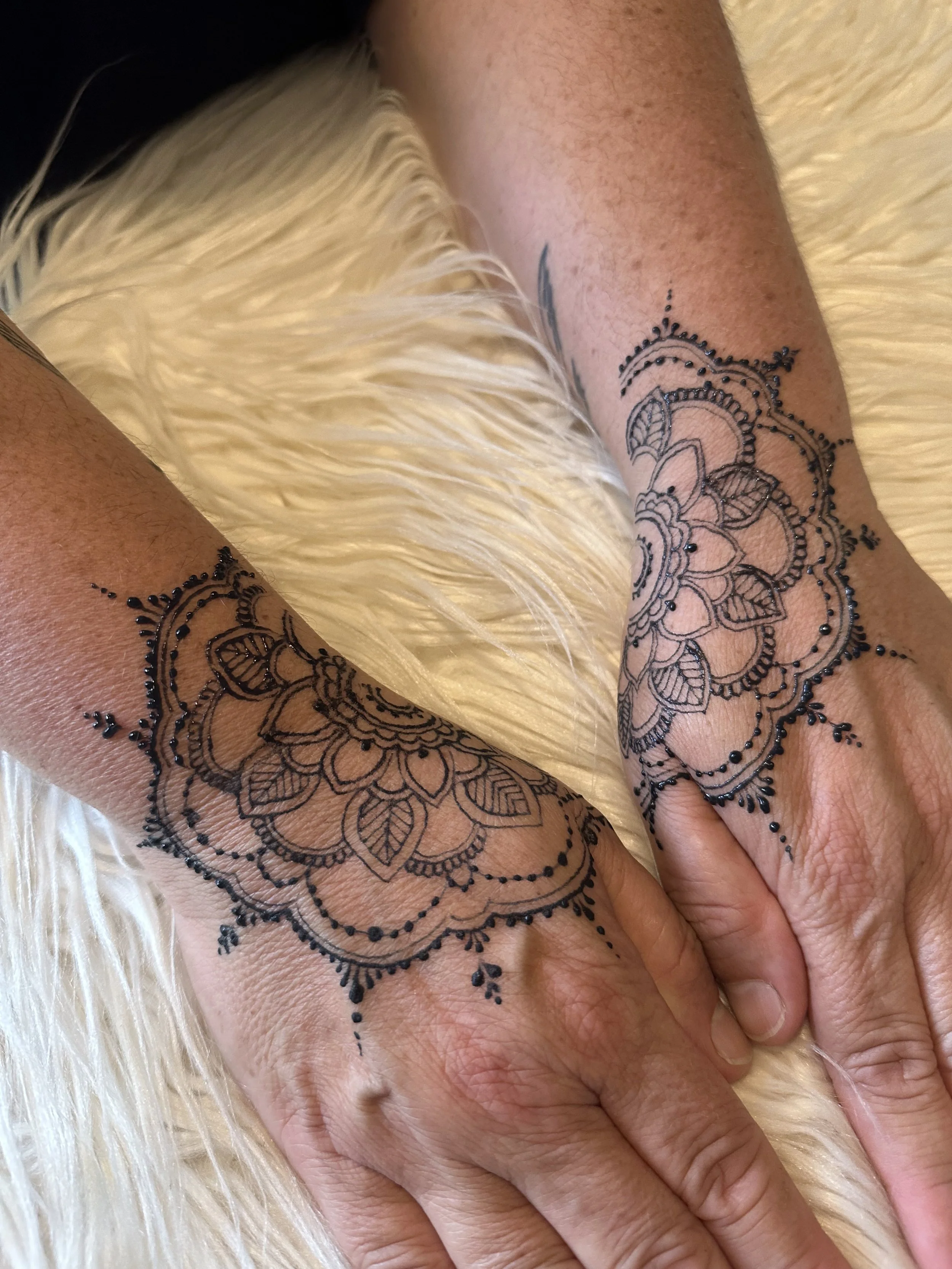
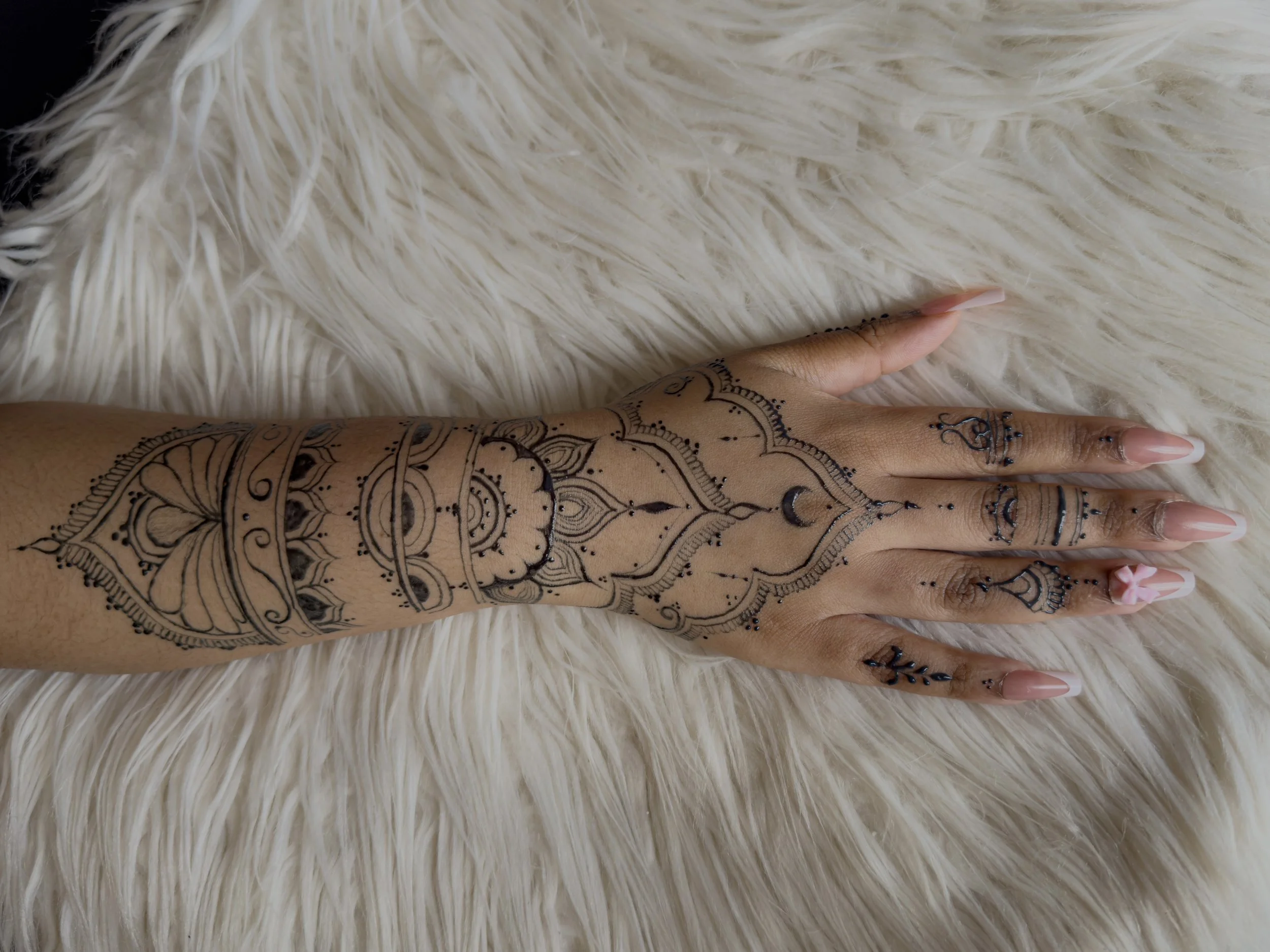
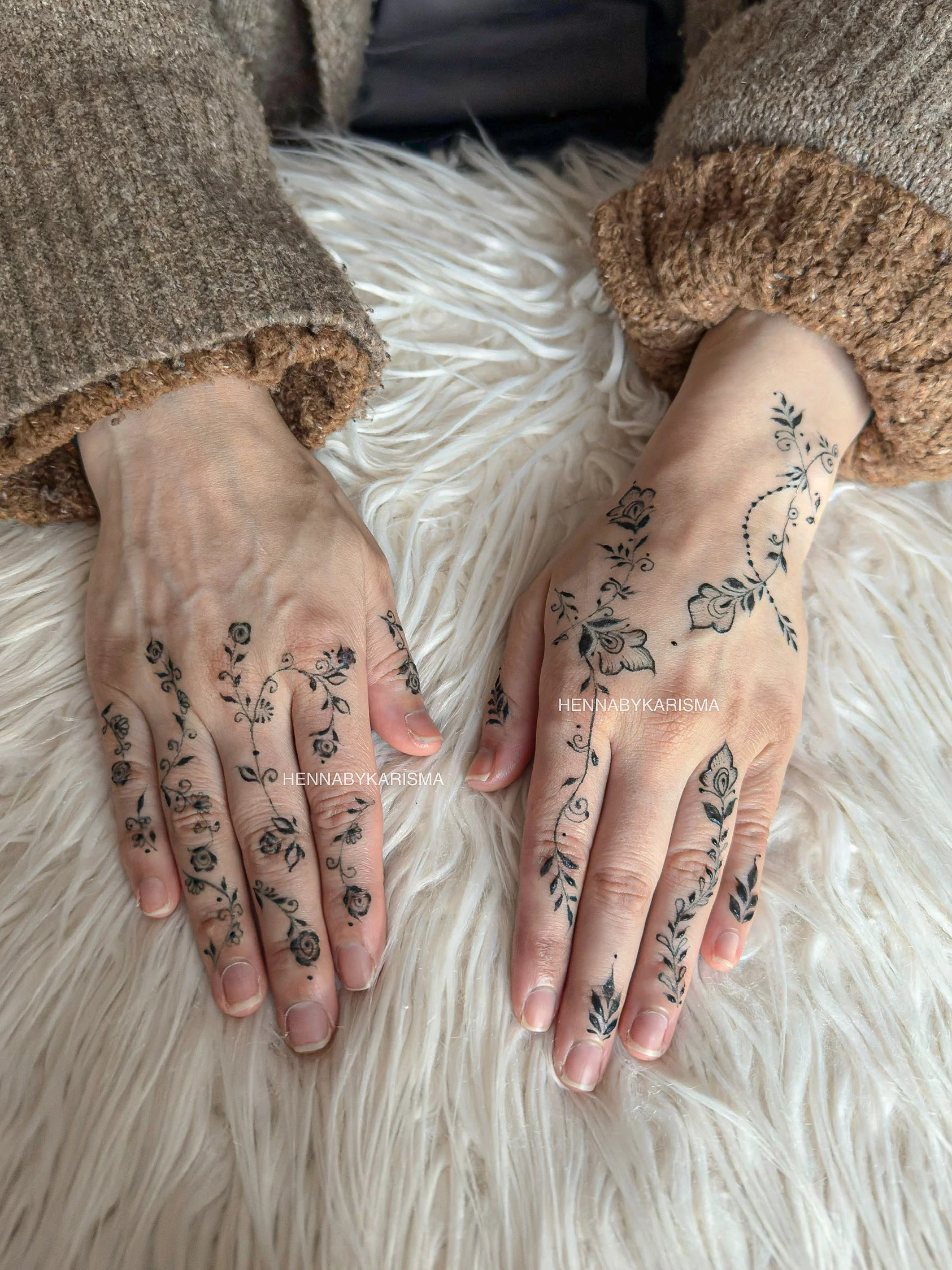
Jagua is a natural dye derived from the Genipa americana fruit, which grows in the tropical rainforests of Central and South America. Traditionally used by Indigenous Amazonian tribes, jagua has been a part of body art rituals for thousands of years. The stain it creates is deep blue-black in color, resembling a real tattoo, making it a popular alternative to permanent ink.
A Brief History of Jagua
Long before jagua became widely known in the West, Indigenous communities across the Amazon used it for tribal markings, cultural identity, and spiritual protection. These natural stains were also a way of expressing lineage, beliefs, and rites of passage. The fruit pulp was applied directly to the skin to create designs that could last for up to two weeks.
Cultural & Ceremonial Uses
Jagua holds spiritual and symbolic significance in many Indigenous cultures. It was often applied during special ceremonies, coming-of-age events, and as part of shamanic rituals. The stain not only decorated the skin, but was believed to protect the wearer from harm and connect them to their ancestors.
Everyday and Modern Uses
Today, jagua is commonly used for:
Temporary tattoos that look like real ink
Body art for festivals, photoshoots, and special occasions
A safe, natural alternative for those considering permanent tattoos
Creating non-toxic, skin-safe body art for children and sensitive skin
Jagua is now celebrated around the world for its ability to offer bold, tattoo-like designs without any needles or commitment.
Medicinal & Healing Benefits of Henna
Aside from its artistic use, the Genipa fruit has long been used in traditional medicine by rainforest communities:
Anti-inflammatory and cooling when applied to the skin
Used in natural remedies for skin conditions and wounds
Believed to support spiritual and emotional well-being
Although more research is needed, jagua remains a respected natural ingredient in both body art and folk medicine.
Now, you must be wondering, how you can achieve these stains?
Read through the other article to learn everything from how to safely prepare the skin for henna application to all the tips that gives you that deep lush stain for either natural henna or jagua.